








Top-Top Info Worldwide is a popular online newsportal and going source for technical and digital content for its influential audience around the globe.


As we delve into 2024, the fusion of technology and healthcare is pushing the boundaries of what was once thought possible, offering new hope and capabilities in the medical field. From the depths of genetic research to the wearable devices adorning our wrists, here's a glimpse into the top 10 groundbreaking health technologies that are set to redefine our approach to health and wellness.

In the quest for natural healing, plants have always been mankind’s faithful allies, offering a bounty of remedies right at our fingertips. Science has begun to unravel the mysteries of traditional medicine, validating the medicinal properties of plants through rigorous research. This article delves into the top 10 scientifically backed plants, showcasing their healing potential and how they contribute to modern medicine.
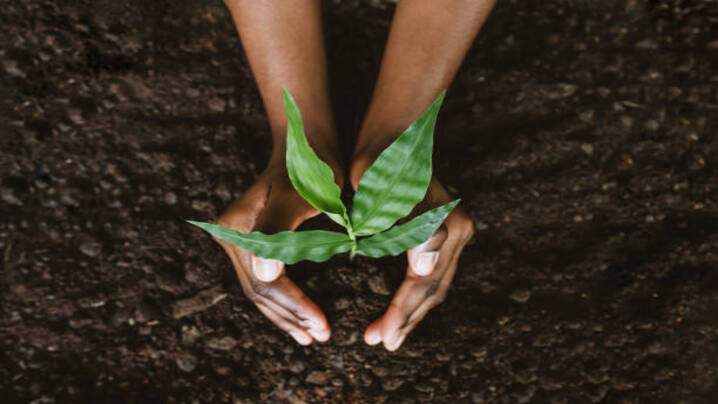
Plants cannot walk away from drought, freezing weather, salty water, or hungry animals. Instead, evolution has equipped different species with structures and chemical processes that help them survive where ordinary leaves and roots would fail.
The resurrection plant Selaginella lepidophylla can lose most of its water, curl inward, and become metabolically quiet during drought. When moisture returns, the tissues rehydrate and the plant opens again. This is not a return from death; it is an extreme form of desiccation tolerance.
Namibia’s Welwitschia produces only two persistent leaves. They grow from the base and become split and weathered over many years, creating the appearance of numerous leaves. The plant survives in the Namib Desert through a combination of deep roots, efficient water use, and access to limited moisture in an exceptionally arid environment.
Cacti, pineapples, agaves, and many other dryland plants use Crassulacean acid metabolism, or CAM. They take in carbon dioxide mainly at night, when temperatures are lower and humidity is higher, then use the stored carbon during daytime photosynthesis. This reduces water loss.
Most cactus leaves evolved into spines, while green stems took over photosynthesis and water storage. Shallow, spreading roots absorb brief rainfall quickly. Pleated stems expand after rain and contract gradually as stored water is used.
Coastal mud can contain very little oxygen. Some mangroves produce upward-growing roots called pneumatophores that expose gas-exchange surfaces above the sediment. Mangrove species also limit, exclude, or remove salt in different ways.
Species of Lithops resemble the stones surrounding them in southern Africa. Most of the plant remains below ground, leaving only paired leaf surfaces exposed. This reduces the area subjected to heat and drying while also making the plant harder for herbivores to detect.
Baobabs reduce water loss by remaining leafless through much of the dry season. Their large trunks contain water-rich tissues, although popular claims that every tree holds a precise enormous volume should be treated cautiously because storage varies with species, size, season, and measurement method.
The Antarctic pearlwort, Colobanthus quitensis, grows close to the ground in compact clumps. This form reduces exposure to wind and can create a slightly more protected microclimate around leaves and stems during the short growing season.
Bulbs, corms, rhizomes, and tubers allow many plants to keep vulnerable growing tissue below the soil. Above-ground shoots may disappear during fire, drought, or winter, while stored energy supports regrowth when conditions improve.
Some chollas reproduce when loosely attached stem segments catch on passing animals. The segment can later fall to the ground and root in a suitable location. The same spines that discourage herbivores can therefore help disperse the plant.
Every adaptation has a cost. Slow-growing desert plants may conserve water but recover poorly from physical damage. Salt-tolerant plants spend energy controlling ions. Dormant plants survive bad seasons but lose opportunities to grow. These trade-offs are why one strategy does not dominate every habitat.
Sources: U.S. National Park Service: cactus adaptations, USDA plant fact sheet on black mangrove, Kew Plants of the World Online
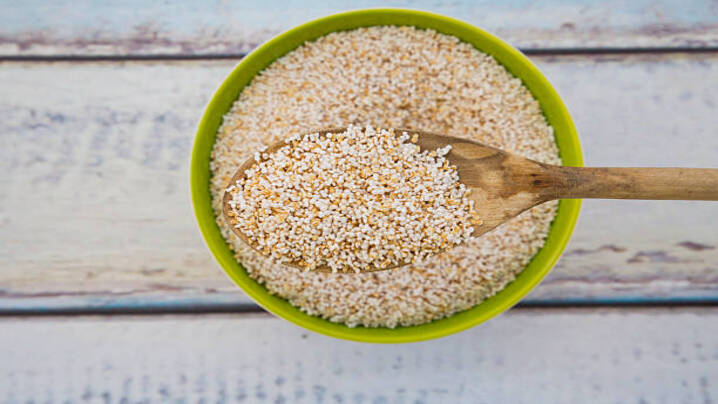
In the whirlwind of dietary trends and the search for the next big health booster, we often overlook the treasures hidden in plain sight or, in this case, in the annals of history. The modern diet, with its emphasis on convenience and fast food, has led us away from some of the most potent sources of nutrition known to our ancestors.
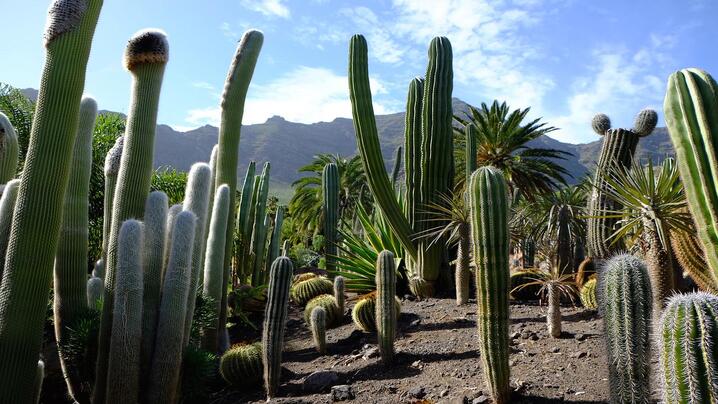
The cactus family contains far more variety than the familiar image of a single spiny column in a desert. Some species remain smaller than a coin, some store much of their body underground, and others open enormous flowers for only a short period at night.
Native to parts of the Andes, Blossfeldia liliputana is widely recognized as the smallest cactus species. Mature plants can remain around a centimeter across and often grow in rock cracks. Their tiny, flattened bodies expose little surface area to drying air, while protected crevices provide a more stable microclimate than open ground.
This small Mexican cactus places a substantial storage root below the soil while leaving a comparatively small stem exposed. The arrangement protects water-storing tissue from direct sun and temperature extremes. Its limited range also makes habitat protection and responsible cultivation important.
Formerly placed in the genus Hylocereus, this climbing cactus produces dragon fruit. Its large flowers open at night, when nocturnal pollinators are active and temperatures are lower. The plant’s climbing stems allow it to use trees or supports to reach brighter positions rather than investing energy in a self-supporting trunk.
The only species in its genus, Obregonia denegrii forms a low rosette of triangular tubercles that resembles an artichoke. Its body sits close to the ground and can blend into limestone terrain. Because wild populations are limited, buyers should avoid illegally collected specimens and choose documented nursery-propagated plants.
Most saguaros grow from a single rounded tip, but a small number develop a fan-shaped crest. The U.S. National Park Service reports that scientists do not yet agree on a single cause; proposed explanations include genetic mutation and physical damage. A crested saguaro is not a separate species, but a rare form of Carnegiea gigantea.
Cacti share a collection of water-saving traits. Their spines are modified leaves, while their stems perform photosynthesis. Broad, shallow roots can collect rain quickly. Many species use CAM photosynthesis, opening stomata mainly at night to reduce water loss. Ribbed stems can expand after rain and shrink during dry periods.
These adaptations do not make cacti indestructible. Excess water, illegal collecting, habitat loss, freezing temperatures, and unsuitable soil can kill species that are highly specialized for a narrow environment.
Sources: Kew Plants of the World Online, U.S. National Park Service: cacti and desert succulents, U.S. National Park Service: crested saguaro, Kew profile of Carnegiea gigantea
Top-Top Info Worldwide is a popular online newsportal and going source for technical and digital content for its influential audience around the globe.