










Top-Top Info Worldwide is a popular online newsportal and going source for technical and digital content for its influential audience around the globe.

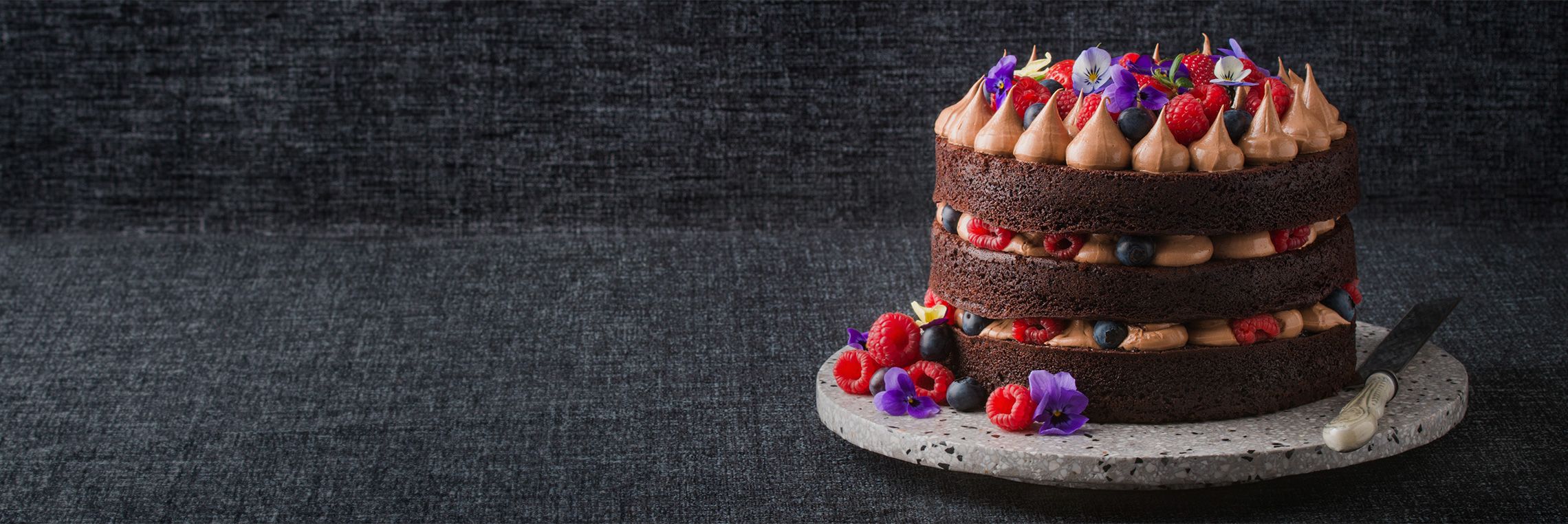
What is a cake? A self-contained confectionery creation or the ornate descendant of the cake? There is no exact date of origin of the cake as we are used to seeing it today. Complex constructions of several layers of cakes, soaked and intricately decorated, began to be practised by confectioners relatively recently, not earlier than the 18th century.
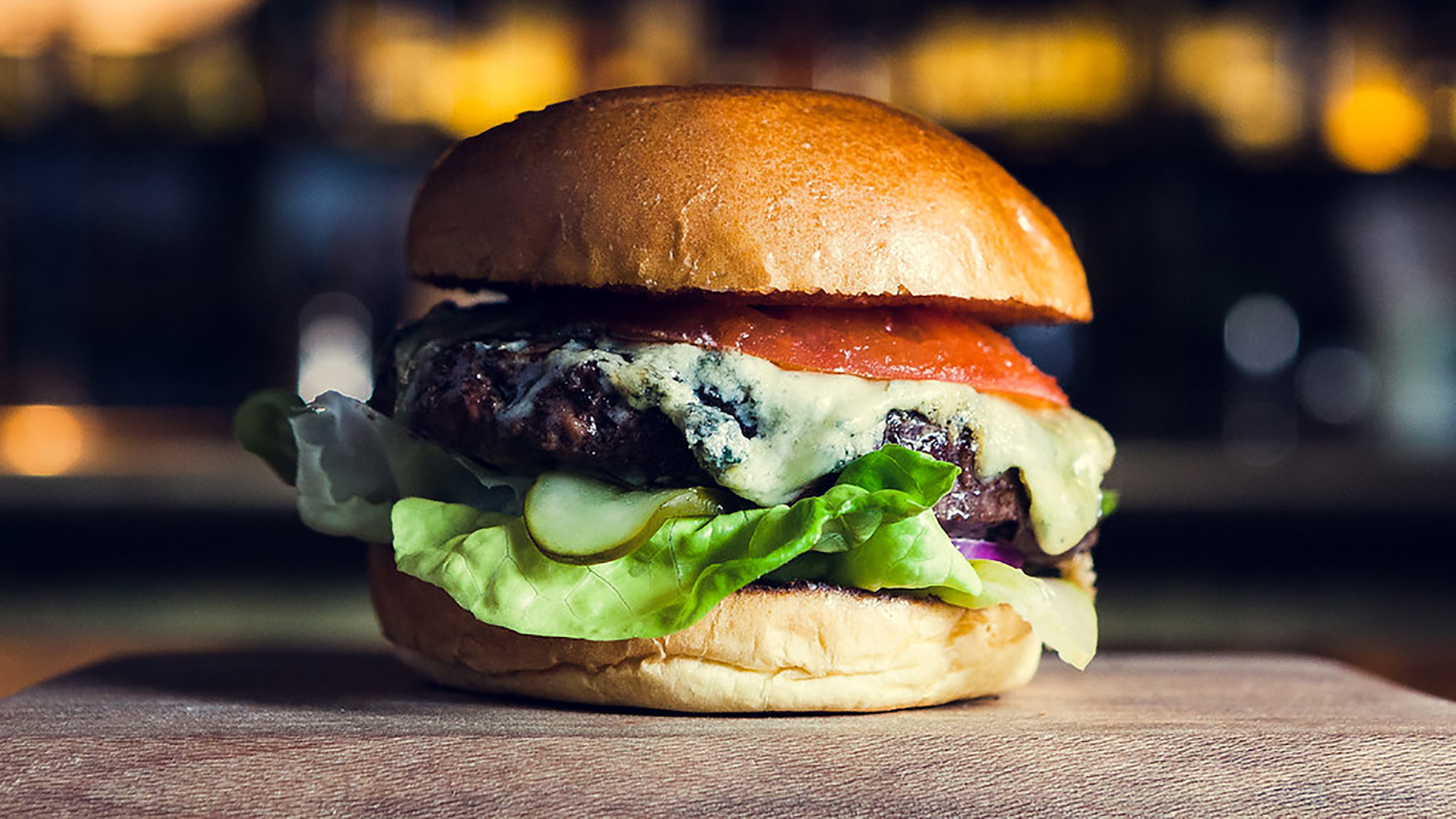
A giant-burger list sounds simple until the measurements begin. Is the record for a complete sandwich, a cooked patty, a menu item, or a plant-based version? Was the food edible, independently weighed, and distributed rather than wasted? Guinness World Records treats these as separate titles, so figures from different categories should not be ranked as though they measure the same achievement. These six milestones show what each record actually means.
The official record for the largest hamburger is 1,164.2 kilograms, or 2,566 pounds 9 ounces. A team in Pilsting, Germany, achieved it on July 9, 2017. This was a complete, assembled hamburger rather than a patty alone. Guinness reports that it contained three meat patties along with tomatoes, lettuce, cucumbers, onions, sauce, and a bun. The distinction matters because every component must be prepared, handled, and weighed as part of one edible item.
A patty can outweigh a complete hamburger record because it does not have to function as a finished sandwich. In 1999, Loran Green and Friends of Hi Line Promotions cooked a pure-beef patty in Montana weighing 2.74 metric tons, or 6,040 pounds. It measured 24 feet across and required a purpose-built grill. More than 3,500 people attended. Although visually burger-like, it belongs to the patty category and should not be presented as the same record as the 2017 assembled hamburger.
A commercially available burger must be something a customer can actually order under the record rules. Guinness identifies a 352.44-kilogram, or 777-pound, burger offered by Juicys Foods and Ovations Foodservices in Corvallis, Oregon, in 2011. Reports listed a price of $5,000 and required 48 hours’ notice. Commercial availability adds a different test from event-based construction: the item must appear as a genuine sale offering, even if few diners could practically purchase it.
In Greenville, North Carolina, a team led by Jimmy Donaldson, known as MrBeast, assembled a vegetarian burger weighing 2,092.4 kilograms, or 4,612 pounds 15.2 ounces, on September 29, 2022. Guinness records it at 0.87 meters tall and 2.134 meters in diameter. Its ingredients included two soy-based patties, cheese, onions, and lettuce. Because it contained cheese, it was vegetarian but not vegan.
The vegan category excludes all animal-derived ingredients. Unilever Food Solutions achieved the current published record in Athens, Greece, on September 27, 2024, with a 213.4-kilogram burger. It included a plant-based patty, tomatoes, lettuce, vegan mayonnaise, and bread. Guinness notes that it was produced hygienically, weighed on a calibrated industrial scale, tasted to verify edibility, and largely distributed through a charity.
Records change, which makes dates essential. In 2021, Finnebrogue Artisan created a 162.5-kilogram vegan burger in Northern Ireland. It took nearly nine hours to cook and was later distributed through a homelessness charity. That achievement was subsequently surpassed by the 2024 Athens burger. Including it as a milestone rather than a current record illustrates how quickly list articles can become outdated.
Large food records are engineering and logistics exercises as much as recipes. Teams must scale cooking safely, verify ingredients, use calibrated weighing equipment, document the attempt, and plan responsible distribution. Anyone comparing giant burgers should check the category and record date first—and avoid confusing spectacle with a sensible serving size.
Sources: Guinness: largest hamburger; Guinness: largest hamburger patty; Guinness: commercially available hamburger; Guinness: largest vegetarian burger; Guinness: largest vegan burger.
Nerium Oleander is considered one of the most poisonous flowers in the world, toxic from root to tip. Despite its soothing appearance with white, magenta, and crimson colors and elegant fragrance, it is important to note its extreme toxicity. Every part of this plant, from root to sap, is life-threatening if ingested. Inhaling the smoke from burning Nerium oleander can also cause health issues. Additionally, honey made from the nectar of Nerium Oleander is poisonous.
Mango is considered to be the ultimate fruit which is a favorite of most of the people from all corners of the world. There are innumerable varieties of mangoes in the world, which differ from being sweet to being sour as well. Mangoes can end up being some delicious milkshakes, juices and cakes as well. Mango has been considered to be one of the tastiest and most delicious fruit which exists today as it is loved and consumed by people of all age groups.

In the realm of luxury beverages, fruit juices have carved out a niche that goes beyond mere refreshment. These juices are not only a health elixir but also a symbol of status and indulgence. This article explores the top five most expensive fruit juices in the world, revealing why they are coveted by the elite and what makes them worth their hefty price tag.
Top-Top Info Worldwide is a popular online newsportal and going source for technical and digital content for its influential audience around the globe.